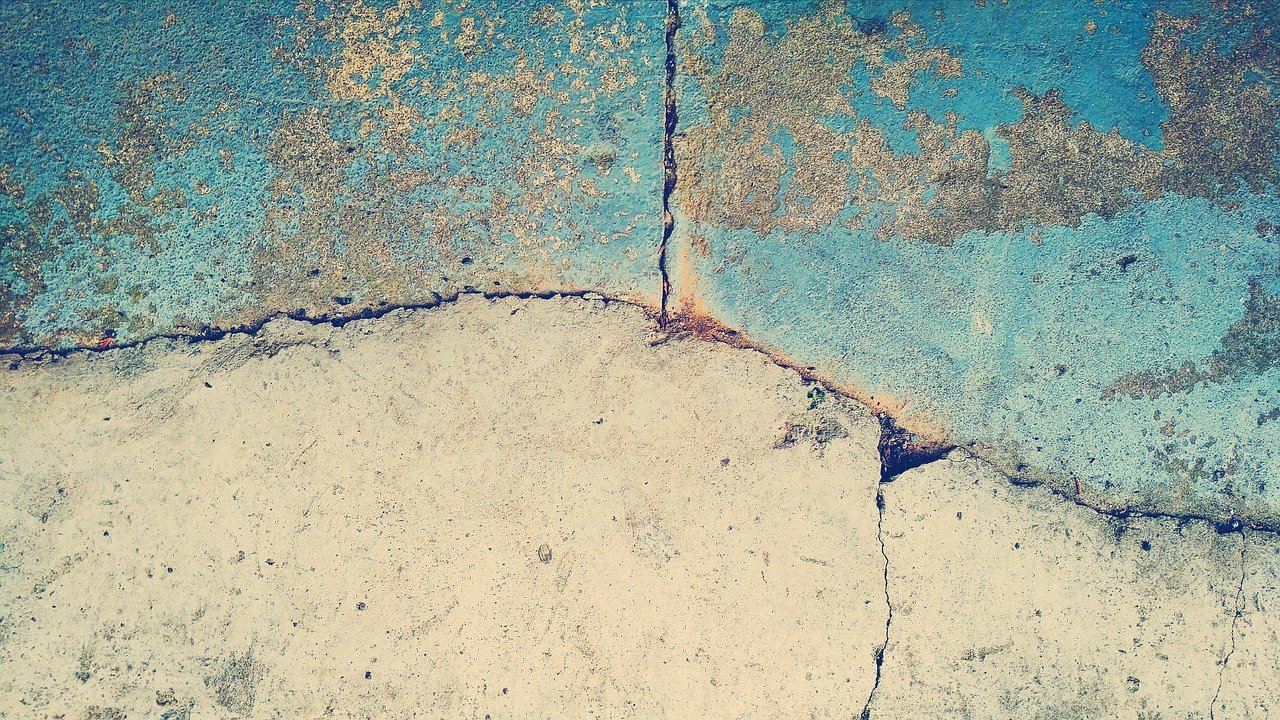
If you’re looking to seal your concrete, you may be wondering what the best type of sealer is. There are many different types of sealers on the market, such as the epoxy concrete sealers, and it can be challenging to decide which one is right for you. This blog post will discuss the five most common types of concrete sealers and their benefits. We will also provide tips on choosing the suitable sealer for your needs.
Epoxy Sealers
If you’re looking for a concrete sealer that is durable and long-lasting, an epoxy sealer is a good option. Epoxy sealers are typically used on industrial floors because they can withstand heavy traffic and are resistant to chemicals. They are also one of the most expensive types of sealers. If you’re sealing a garage floor or a basement floor that will be subject to heavy traffic, an epoxy sealer is a good option.
Polyurethane Sealers
Polyurethane sealers are another option if you’re looking for a durable and long-lasting concrete sealer. Polyurethane sealers are typically used on outdoor concrete surfaces like driveways and patios. They provide good UV resistance and are resistant to abrasion. If you’re looking for a concrete sealer that can withstand heavy traffic and resist weathering, a polyurethane sealer is a good option. In addition, they are a water-based and good option. If you’re looking for an environmentally friendly option, Water-based sealers are made from renewable resources and emit low VOCs (volatile organic compounds). They are also easy to apply and clean up.
Acrylic Sealers
Acrylic sealers are a good option if you’re looking for an attractive, easy-to-maintain concrete sealer. Acrylic sealers provide a high-gloss finish that enhances the natural colour of concrete. They are also resistant to staining and fading. If you’re looking for a concrete sealer that will improve the look of your concrete and is easy to maintain, an acrylic sealer is a good option.
Penetrating Sealers
Penetrating sealers are a good option if you’re looking for an invisible, long-lasting concrete sealer. They penetrate deep into the pores of the concrete to form a barrier against water, stains, and dirt. They will not change the appearance of your concrete and will not peel or flake. If you need a sealer that is invisible and will not change the appearance of your concrete, a penetrating sealer is a good option. They are also easy to apply and protects against staining. The sealers are available in water-based and solvent-based formulas and provide a durable, long-lasting finish that is easy to clean.…
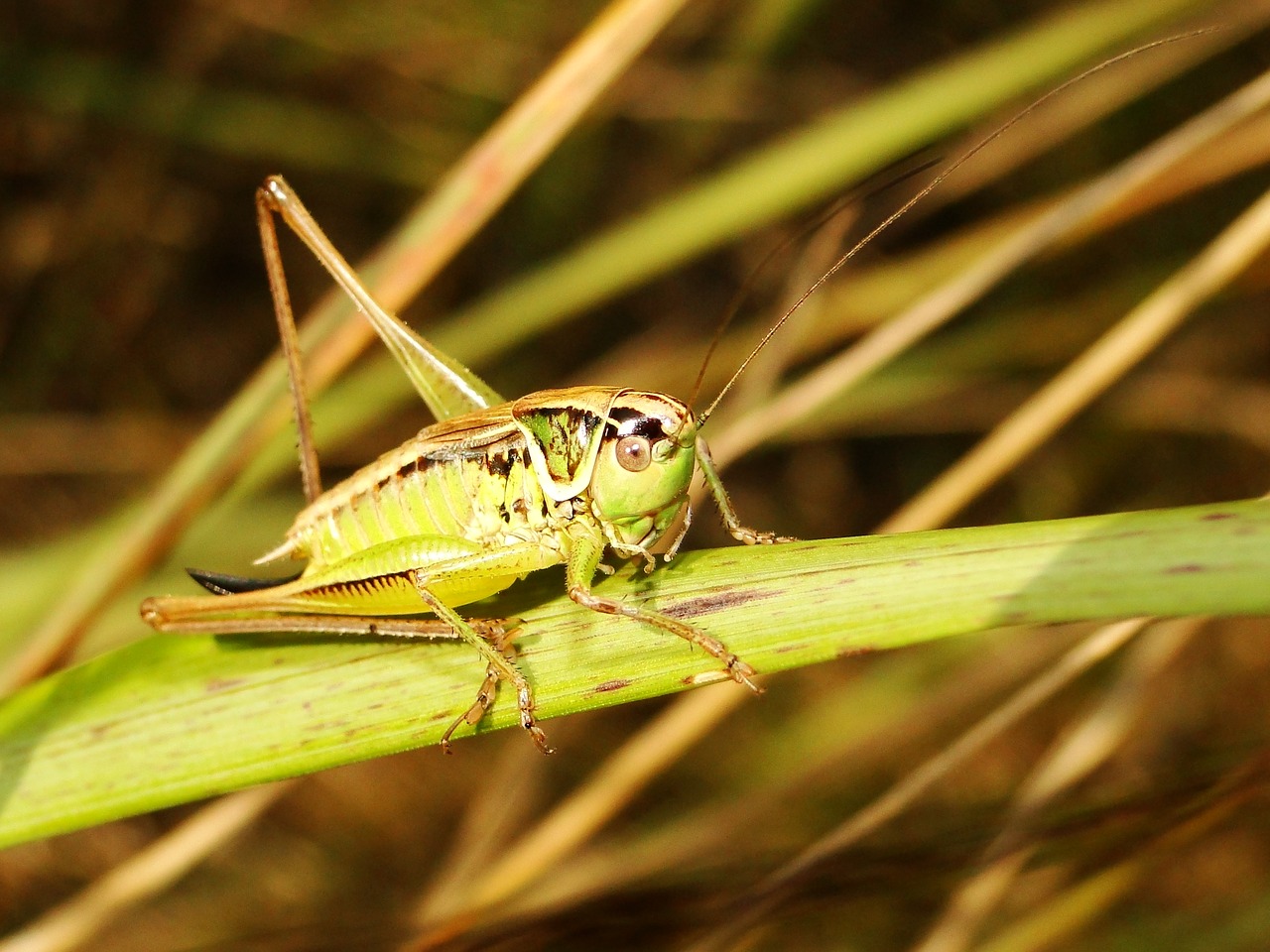
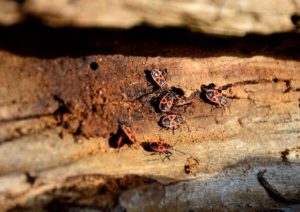 One of the best ways to determine if you have a pest infestation is to do a drench test. This involves pouring water over an area of your lawn where you suspect there may be pests and then checking to see how many survive. If most pests die after being drenched with water, you know you have a pest problem and need to take action.
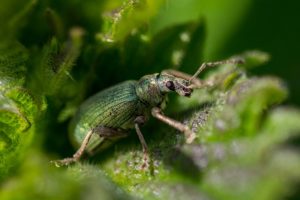 Pests are likely responsible if you see patches of dying grass on your lawn. Pests can damage the grass blades, roots, and soil, leading to brown or yellow patches on the property. If you see these patches, inspect them closely to see if you can identify the pest causing the damage. Another sign of a pest infestation is an increase in the number of bugs or other creatures on your property. If you’re seeing more spiders, ants, or any other type of bug than usual, it’s likely that they’re coming from a pest infestation somewhere on your property. Keep an eye out for these creatures so that you can identify the problem early on.…